Introduction
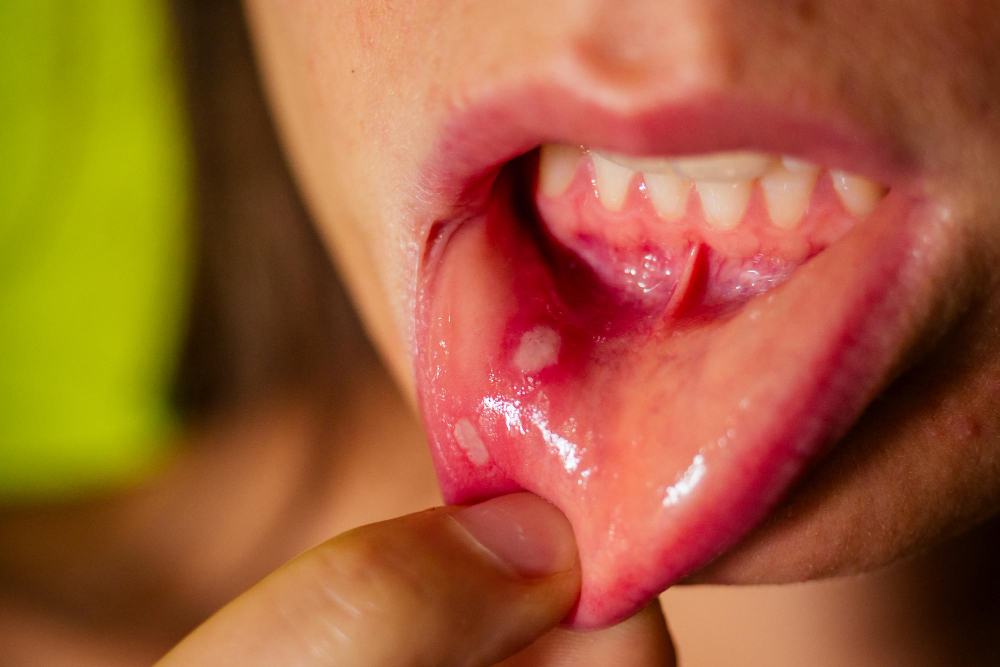
Oral ulcers, also called mouth sores or canker sores, are small, painful spots inside the mouth. These sores are common and can affect people of all ages. In fact, many people experience oral ulcers at least once in their lives. Although most ulcers heal on their own, they can cause discomfort while eating or talking. Because oral health is important, understanding oral ulcers helps you manage and prevent them.
Symptoms of Oral Ulcers
Usually, oral ulcers appear as round or oval spots inside the mouth. They may be white, yellow, or gray with a red border. Often, these sores are painful, especially when touched by food or drinks. In addition, you may notice:
Sometimes, you may also have a mild fever or feel tired if the ulcers are severe. However, most mouth sores heal within one to two weeks.
Common Causes and Risk Factors
There are many reasons why oral ulcers develop. Some common causes include:
Additionally, smoking or using tobacco can increase your risk of painful mouth ulcers. Some people are more likely to get canker sores due to family history.
Diagnosis Methods
Most of the time, a dentist or doctor can diagnose oral ulcers by looking at them. They may ask about your symptoms and medical history. Sometimes, if the sores last longer than three weeks or keep coming back, further tests may be needed. For example, your doctor might:
Early diagnosis helps rule out serious conditions, such as oral cancer, which is rare but important to catch early.
Treatment Options
Most oral ulcers heal without treatment. However, you can try several methods to ease pain and speed up healing. For mild cases, home remedies often help. For example:
Sometimes, over-the-counter gels or mouthwashes can reduce pain. If the ulcers are severe or last longer than two weeks, your doctor may prescribe:
According to the World Health Organization (WHO), good oral hygiene and a balanced diet support healing. Always follow your dentist’s advice for the best results.
Prevention Tips and Lifestyle Guidance
Although you cannot always prevent oral ulcers, some steps can lower your risk. For better oral health, try these tips:
Furthermore, if you notice certain foods trigger your mouth sores, try to avoid them. Keeping a food diary can help you find patterns.
When to See a Dentist or Doctor
Most oral ulcers heal on their own. However, you should see a dentist or doctor if:
Early care can prevent complications and help rule out serious problems. According to the Centers for Disease Control and Prevention (CDC), regular dental visits support overall oral health.
Conclusion
Oral ulcers are common but often harmless. With proper care, most mouth sores heal quickly. Still, knowing the symptoms, causes, and prevention tips can help you manage them better. If you have concerns, always seek expert advice. Consult a dental specialist at City Dental Studio for personalized advice on managing oral ulcers effectively.