Introduction
Full mouth rehabilitation is a dental treatment that restores all teeth in your mouth. This process helps improve your smile and oral health. Many people need full mouth rehabilitation when they have lost or damaged teeth. As a result, they may find it hard to eat, speak, or smile with confidence. Full mouth rehabilitation uses dental restoration procedures to rebuild your teeth and gums. Because of this, it can give you a complete dental makeover and boost your quality of life.
Symptoms and Signs Indicating Need for Full Mouth Rehabilitation
Some signs may show you need full mouth rehabilitation. For example, you might notice:
Additionally, if you avoid smiling or feel embarrassed about your teeth, you may benefit from a complete dental makeover. Early signs should not be ignored, as they can lead to bigger problems later.
Common Causes and Risk Factors
Many factors can lead to the need for full mouth rehabilitation. Some common causes include:
For instance, people who smoke or have diabetes may face higher risks. Also, age and certain medications can affect oral health. Knowing these risks can help you take action early.
Diagnosis and Assessment Process
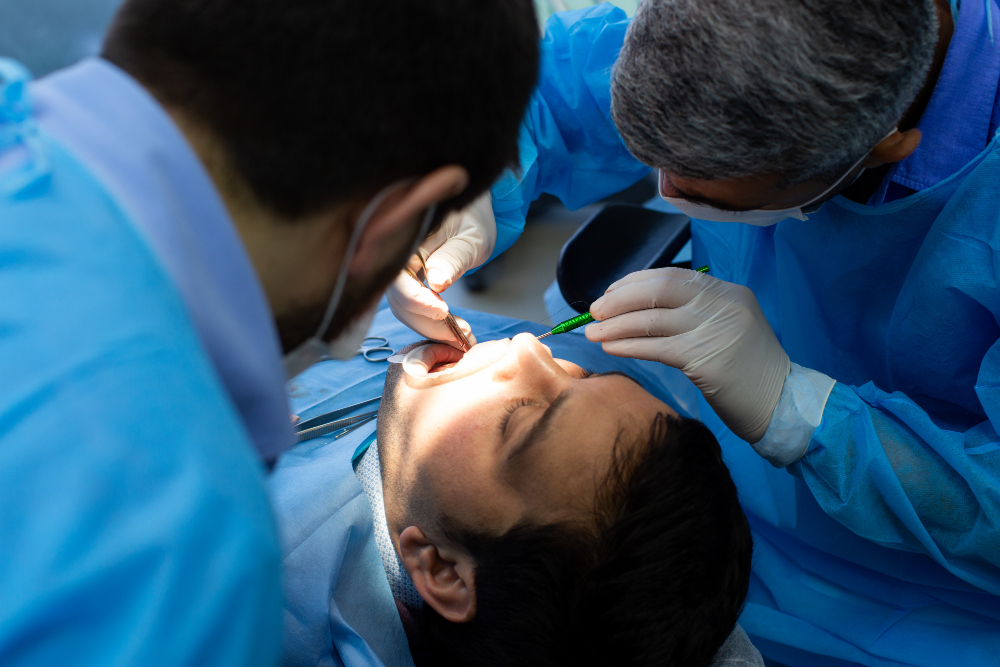
First, your dentist will examine your mouth and teeth. They may take X-rays or digital scans to see the full picture. Next, your dentist will ask about your health history and any symptoms. After that, they will check your bite, jaw movement, and gum health. Sometimes, models of your teeth are made for planning. This careful assessment helps create a treatment plan that fits your needs. Because every mouth is different, your plan will be unique to you.
Treatment Options and Procedures
Full mouth rehabilitation uses several dental restoration procedures. Depending on your needs, your dentist may suggest:
Often, treatment happens in stages. For example, gum disease is treated first, then teeth are restored. Your dentist will explain each step, so you know what to expect.
Benefits and Expected Outcomes
Full mouth rehabilitation offers many benefits. Most people enjoy:
Additionally, restoring your teeth can help prevent future dental issues. According to the World Health Organization, good oral health supports overall well-being. After treatment, you may feel more comfortable in social settings and daily life.
Lifestyle and Oral Care Guidance After Rehabilitation
After full mouth rehabilitation, caring for your new smile is important. For best results, you should:
With these habits, you can keep your teeth and gums healthy for years. If you notice any pain or changes, contact your dentist right away.
Prevention and Maintenance Tips
Even after a complete dental makeover, prevention is key. To protect your oral health, remember to:
By following these tips, you can enjoy the benefits of full mouth rehabilitation for a long time. Good habits help prevent future dental problems and keep your smile bright.
In summary, full mouth rehabilitation can restore your smile and improve your oral health. If you think you may need this treatment, consult a qualified dentist at City Dental Studio to discuss if full mouth rehabilitation is right for you.