What Is Early Cavity Detection?
Early cavity detection means finding tooth decay before it causes pain or a hole. Dentists use this approach to spot problems early. As a result, you can avoid bigger dental issues later. Early cavity detection helps protect your teeth and saves you from discomfort. According to the American Dental Association (ADA), catching cavities early makes treatment easier and less costly.
Why Do Cavities Start as ‘Soft Spots’?
Cavities often begin as ‘soft spots’ on your teeth. These spots form when acids from food and bacteria weaken the tooth’s surface. Over time, the enamel (the hard outer layer) gets softer. If you do not treat these soft spots, they can turn into holes. However, early care can stop this process. Soft spots are a warning sign that your tooth needs attention.
Key Signs and Symptoms of Early Tooth Decay
It is important to notice the early signs of tooth decay. Early cavity detection can help you act before pain starts. Look for these signs:
Sometimes, you may not notice any symptoms. Even so, regular dental check-ups can catch problems early.
How Dentists Diagnose Early Cavities
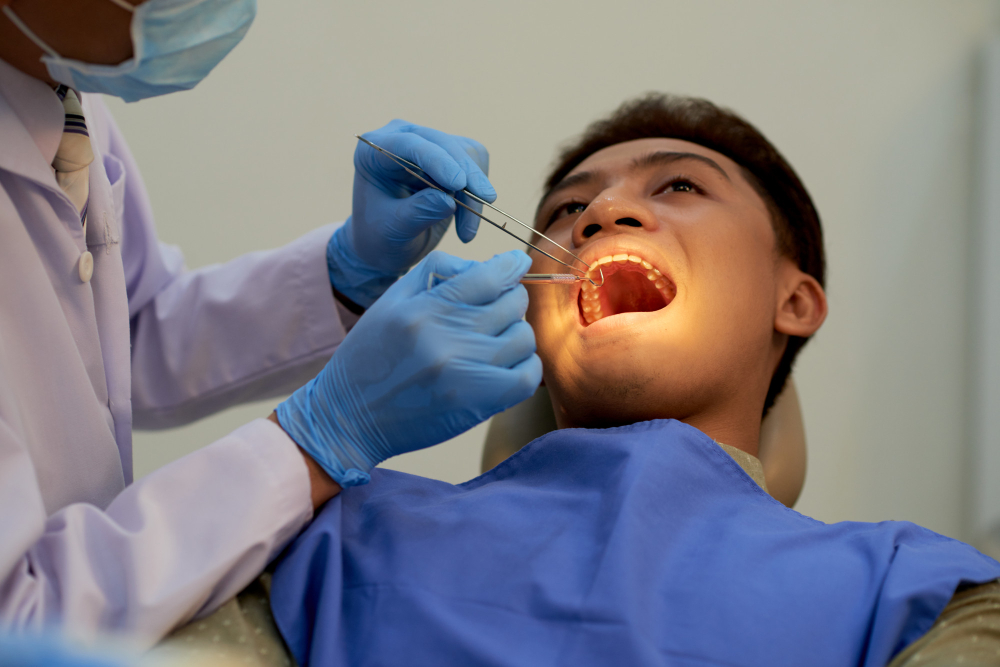
Dentists use several methods to find early cavities. First, they look for soft spots or color changes on your teeth. Next, they may use a small tool to check for weak areas. In addition, dentists sometimes use X-rays to see hidden decay. These steps help spot signs of early tooth decay before a cavity forms. Early cavity detection gives you the best chance to stop decay in its tracks.
Prevention Tips for Early Cavities
Preventing dental cavities is easier than treating them. Here are some simple tips to help you avoid soft spots and early tooth decay:
By following these steps, you can keep your teeth strong and healthy.
When to See a Dentist
If you notice any signs of early tooth decay, do not wait. For example, a soft spot on a tooth or new sensitivity means you should see a dentist soon. Early cavity detection is key to preventing pain and bigger problems. Even if you have no symptoms, regular dental visits are important. Your dentist can spot issues before they become serious.
Consult a dentist at City Dental Studio promptly if you notice any early signs of a cavity for personalized care.