Introduction
Healthy gums are the foundation of a bright smile. But did you know your toothbrush choice matters? Many people wonder why dentists always suggest soft bristles for healthy gums. In fact, using the right toothbrush can help prevent gum problems and protect your teeth. Let’s explore why soft bristles are the best choice for your oral care routine.
What Are Soft Bristles?
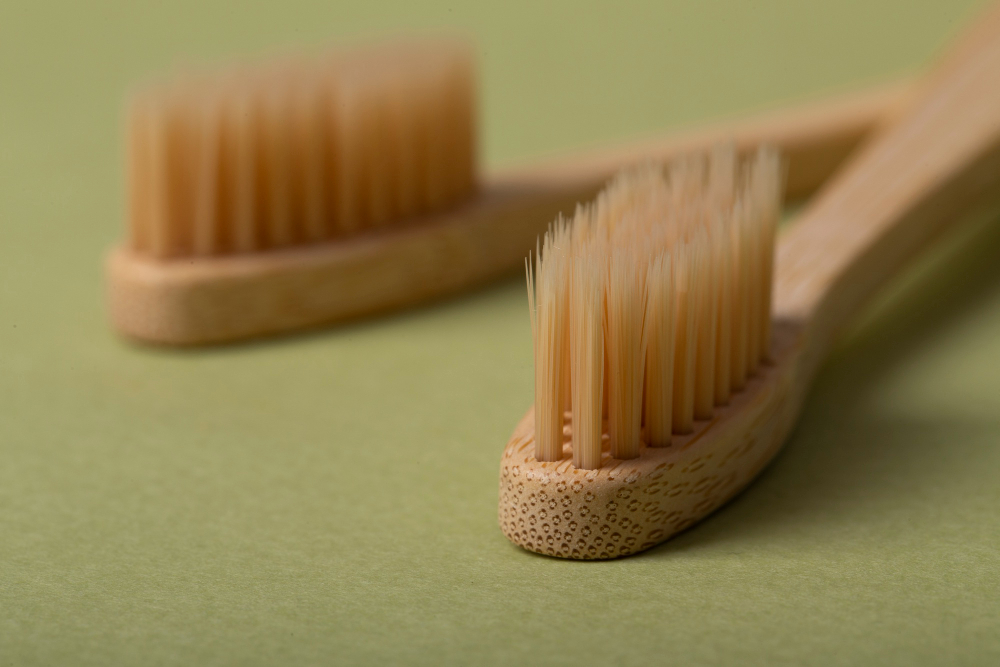
Soft bristles are gentle, flexible strands on a toothbrush. They bend easily and feel smooth against your teeth and gums. In contrast, medium or hard bristles are stiffer and less flexible. While some think harder bristles clean better, this is not true. According to the American Dental Association (ADA), soft bristles are just as effective at removing plaque when used correctly. Plus, they are much kinder to your mouth.
Why Dentists Recommend Soft Bristles
Most dentists agree that soft bristles offer many benefits for gum health. For example, they help prevent gum recession, which is when gums pull away from teeth. This can lead to sensitive teeth and even tooth loss. Additionally, soft bristles protect your enamel, the hard outer layer of your teeth. Hard bristles can wear down enamel over time. Furthermore, soft bristles reduce irritation and bleeding, especially for people with sensitive gums. In summary, soft bristles are the best toothbrush for sensitive gums and for protecting gum health.
Risks of Hard Bristles
Using hard or even medium bristles can cause problems. For instance, they can scrape and damage your gums. Over time, this may lead to gum recession and increased tooth sensitivity. Hard bristles can also wear away enamel, making teeth more prone to cavities. In some cases, people notice their gums bleed more when using hard brushes. Therefore, it’s safer to choose soft bristles for healthy gums.
How to Choose the Right Toothbrush
Choosing the right toothbrush is simple if you know what to look for. Here are some tips:
By following these steps, you can find the best toothbrush for sensitive gums and overall oral health.
Proper Brushing Technique
Even with soft bristles, how you brush matters. First, hold your toothbrush at a 45-degree angle to your gums. Next, use gentle, circular motions to clean each tooth. Avoid scrubbing too hard, as this can still harm your gums. Brush for two minutes, twice a day. Don’t forget to brush your tongue for fresh breath. With the right technique, you can enjoy all the soft toothbrush benefits.
Frequently Asked Questions
Conclusion & Call-to-Action
In conclusion, soft bristles for healthy gums are the top choice for most people. They protect your gums, prevent enamel loss, and reduce irritation. Remember, your toothbrush is a key tool for a healthy smile. For the best results, use a soft-bristled brush and proper technique. Consult dentist at City Dental Studio for personalized advice on choosing the best toothbrush for your gum health.