What Are Oral Cysts?
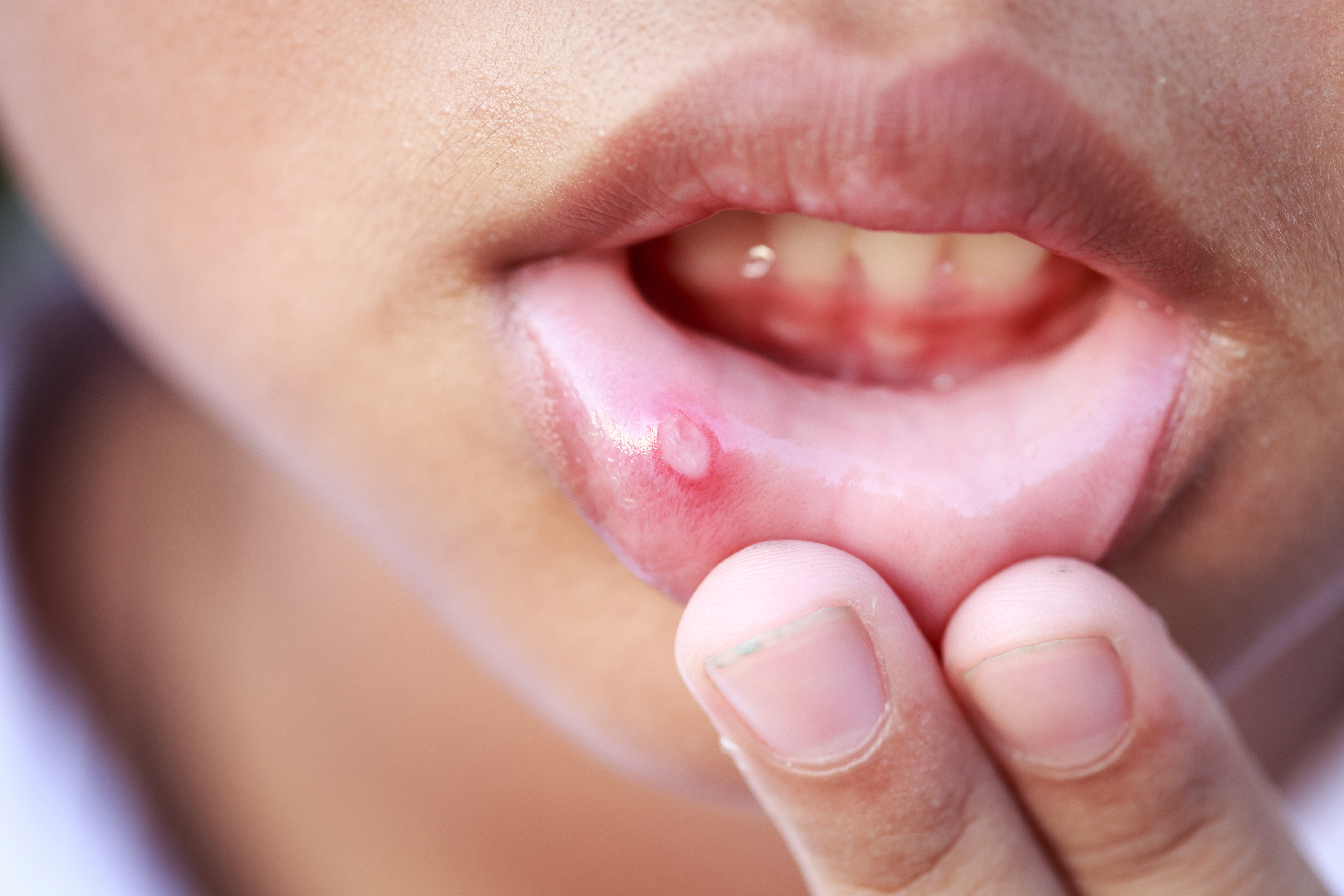
Oral cysts are small, fluid-filled sacs that can form in the mouth. They may appear on the gums, lips, tongue, or inside the cheeks. Although most oral cysts are not cancerous, they can cause discomfort. Sometimes, they may even affect your ability to eat or speak. There are different types of oral cysts, and each type may need a different approach. Understanding oral cysts helps you spot problems early and seek the right care.
Common Symptoms of Oral Cysts
Oral cyst symptoms can vary. However, many people notice a lump or swelling in the mouth. Early detection is important, so watch for these signs:
For example, some cysts may not hurt at first. But over time, they can grow and cause more problems. If you notice any of these symptoms, it is wise to see a dentist.
Causes and Risk Factors
Oral cysts can develop for several reasons. Often, they form when a salivary gland or tooth gets blocked. Other times, injury or infection can lead to cysts. Here are some common causes and risk factors:
Additionally, people with weak immune systems may be at higher risk. Good dental care can lower your chances of developing oral cysts.
How Oral Cysts Are Diagnosed
Early diagnosis helps prevent complications. Dentists use several methods to find oral cysts. First, they will examine your mouth and ask about your symptoms. Next, they may take X-rays to see the cyst’s size and location. Sometimes, a dentist may order a CT scan for a clearer view. In certain cases, a small tissue sample (biopsy) is needed to rule out other conditions. According to the American Dental Association, regular dental check-ups are key for early detection.
Treatment Options for Oral Cysts
Oral cyst treatment depends on the type and size of the cyst. In many cases, small cysts may go away on their own. However, larger or painful cysts often need treatment. Here are common options:
After treatment, follow your dentist’s advice to help your mouth heal. Most people recover well with proper care.
Prevention and Oral Health Tips
Preventing oral cysts is possible with good habits. While not all cysts can be avoided, you can lower your risk by following these tips:
For example, keeping your mouth clean helps prevent infections that can lead to cysts. Early care also stops small problems from getting worse.
When to See a Dentist
It is important to know when to seek help. If you notice a lump, swelling, or pain in your mouth, see a dentist soon. Additionally, if you have trouble eating or speaking, do not wait. Early treatment can prevent bigger problems. According to the CDC, regular dental visits help catch issues like oral cysts before they become serious.
Conclusion
Oral cysts can be uncomfortable, but early care makes a big difference. By knowing the symptoms and causes, you can protect your oral health. Remember to practice good dental habits and see your dentist for regular check-ups. If you notice any changes in your mouth, do not ignore them. Consult a dental specialist at City Dental Studio for personalized advice on oral cysts.