Introduction
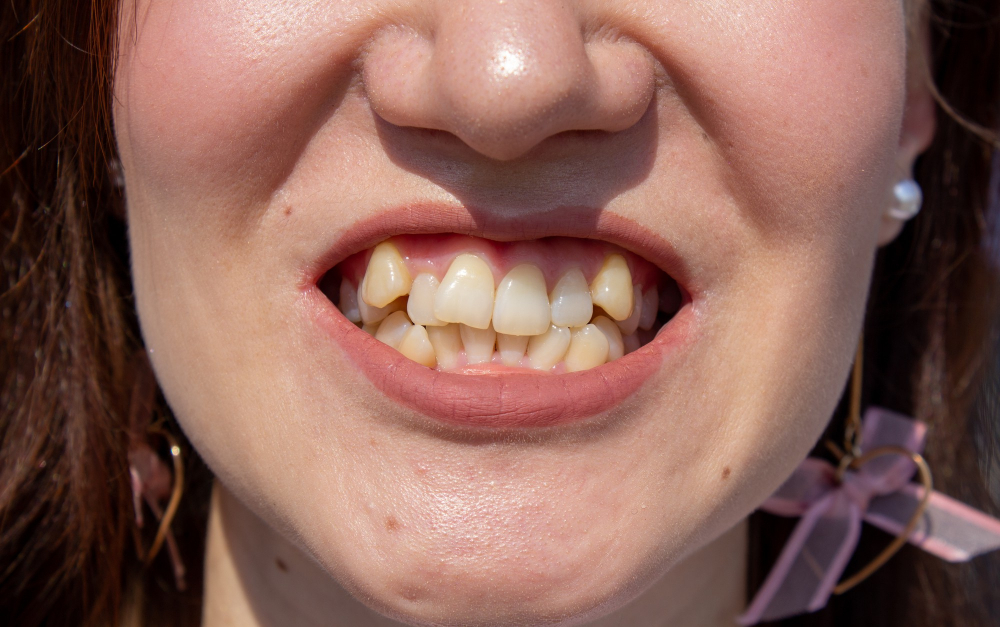
Malocclusion is a dental condition where the teeth do not fit together properly when you bite. This issue can affect your smile, chewing, and even speech. Because malocclusion can lead to other dental problems, it is important to understand its causes and treatment. According to the World Health Organization (WHO), early care can prevent many dental issues. In this blog, you will learn about malocclusion symptoms, causes, diagnosis, and how to fix malocclusion.
Symptoms of Malocclusion
Often, malocclusion is easy to notice. However, some symptoms may be mild. For example, you might see or feel:
Sometimes, jaw pain or discomfort can also be a sign. If you notice any of these symptoms, it is wise to talk to a dentist.
Causes of Malocclusion
There are several reasons why malocclusion happens. Some causes are present from birth, while others develop over time. For instance, common causes include:
Additionally, habits like tongue thrusting can also lead to malocclusion. Knowing the cause helps your dentist choose the best treatment.
Diagnosis Methods
First, your dentist will examine your mouth and teeth. Next, they may ask about your dental history and habits. To get a clear picture, dentists often use:
With these tools, your dentist can decide if you have malocclusion and how severe it is. Early diagnosis can make treatment easier and more effective.
Treatment Options
Treatment for malocclusion depends on your age and how serious the problem is. In many cases, dentists recommend:
Sometimes, early treatment in children can prevent bigger problems later. However, adults can also benefit from malocclusion treatment. If you are looking for malocclusion treatment in your area, ask your dentist about the best options for you.
Prevention and Lifestyle Tips
While not all cases can be prevented, you can lower your risk. For example, you can:
With these habits, you can help keep your teeth healthy and reduce the risk of malocclusion.
When to See a Dentist
If you notice crooked teeth, trouble chewing, or changes in your bite, it is time to see a dentist. Early visits can help catch malocclusion before it gets worse. Moreover, children should have their first dental check-up by age one, as recommended by the CDC. Regular dental visits help spot problems early and keep your smile healthy.
Conclusion
Malocclusion can affect your teeth, jaw, and daily life. However, with early diagnosis and the right treatment, you can fix malocclusion and enjoy a healthy smile. If you have concerns about your teeth or bite, consult a dental specialist at City Dental Studio for personalized advice.